
SCALE
Decision Bottlenecks
Strategy is the Plan. Culture is whether it happens.
Founders can get help with strategy everywhere. But there’s far less support for the part that actually determines execution: scaled decision-making.
If you’re a Founder - early on, the operating system lives in your head. You can feel what the “right” call is because you built the instincts that made the company work. But when that operating system isn’t explicit, delegation feels risky. Not to your ego, a life or death kind of risk you feel for the life of the company. So decisions tend bottleneck with you, because letting go can feel like handing someone else the steering wheel without telling them where you’re going.
Scaling Decision-Making
That’s usually when founders reach for “best practices.” They copy meeting cadences, decision frameworks, and operating rhythms from other companies. Sometimes it works. Sometimes it creates resistance, confusion, and churn — even when the strategy is sound.
Not because the mechanism is bad, but because it’s incompatible with the culture operating system you’re actually running. It’s like trying to run Windows software on a Mac: nothing is wrong, they just don’t speak the same system language.
Relationality diagnoses the decision operating system your culture is running — then helps you build decision infrastructure designed for compatibility. Delegation feels safe when you’re confident that your team uses the same decision assumptions that have given your company its edge since you founded it. Once you’ve built the the decision-making infrastructure required to achieve operational alignment - then you’re ready to focus on scaling to the next level.
Culture is an Operating System
Apple and Android are both Operating Systems (OS). Neither is objectively “better.” But if you try to run something designed for one system inside the other, the results will be frustrating—not because anything is broken, but because the systems aren’t compatible.
Company culture works the same way.
At the organizational level, the CEO’s decision-making style becomes the decision operating system for the entire company. It sets the default for what counts as a good decision, what’s trusted, who gets to act, how fast things move, and what earns rewards. That’s why culture is difficult to capture in writing - it’s what leadership repeatedly reinforces through their decisions.
Within the organizational operating system, teams function like apps. They run on the same OS, but each team adds an extra decision layer based on its purpose and constraints—what information matters most, how decisions get negotiated, and what “good” looks like in practice. That’s why Marketing can feel fast, iterative, and improvisational while Finance feels structured, cautious, and rule-bound—inside the same company.
This also explains why culture change can feel like whiplash with a new CEO. The teams may stay the same, but learning how to operate inside a new operating system is no joke - especially if you’re not sure how it differs from the old one.
The diagrams below show how culture is really a system of nested decision systems - individual, team, and organization - and why alignment (or friction) becomes predictable once mapped this way.
How Culture Scales:
Culture starts at the top.
Each leader has their own knowledge filter.
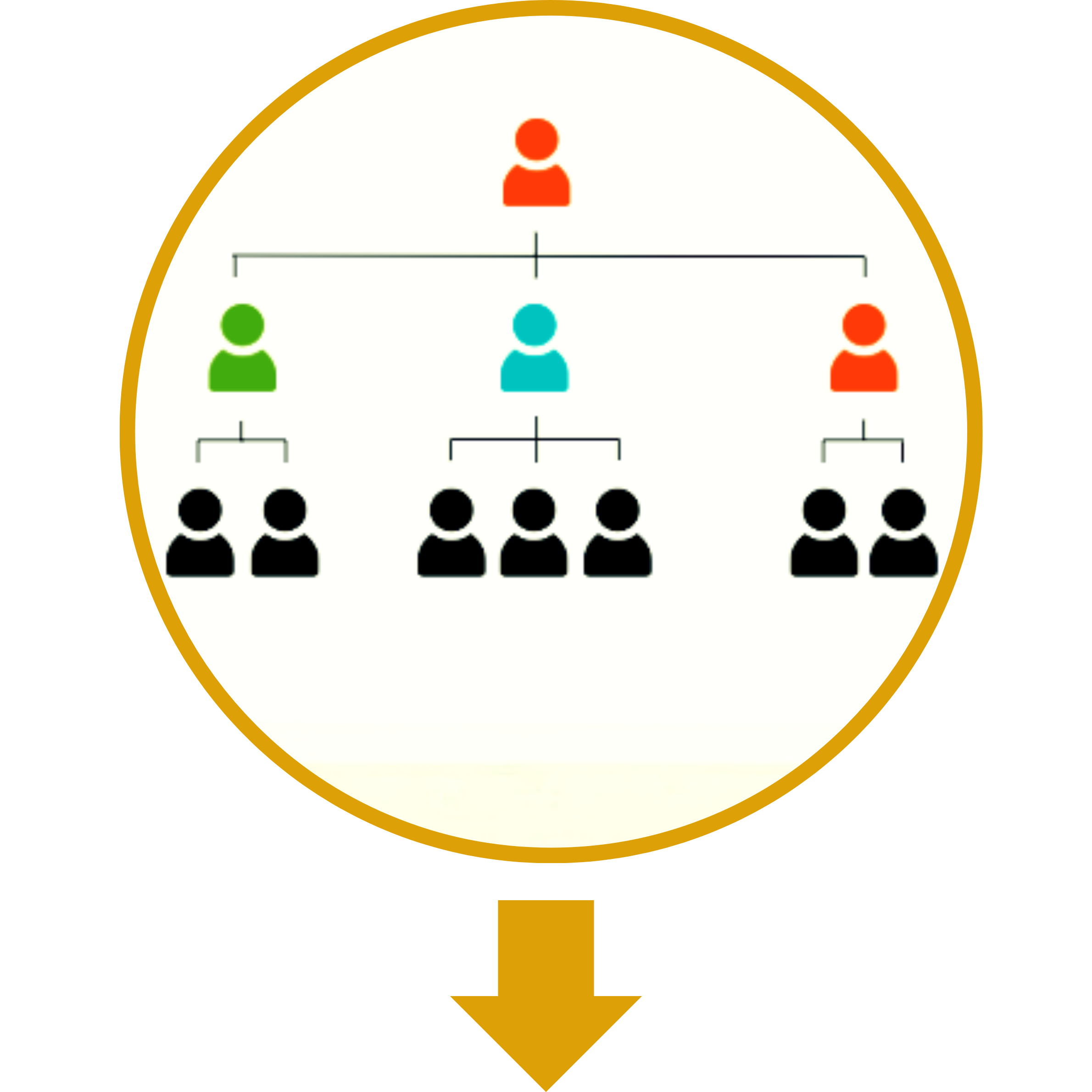
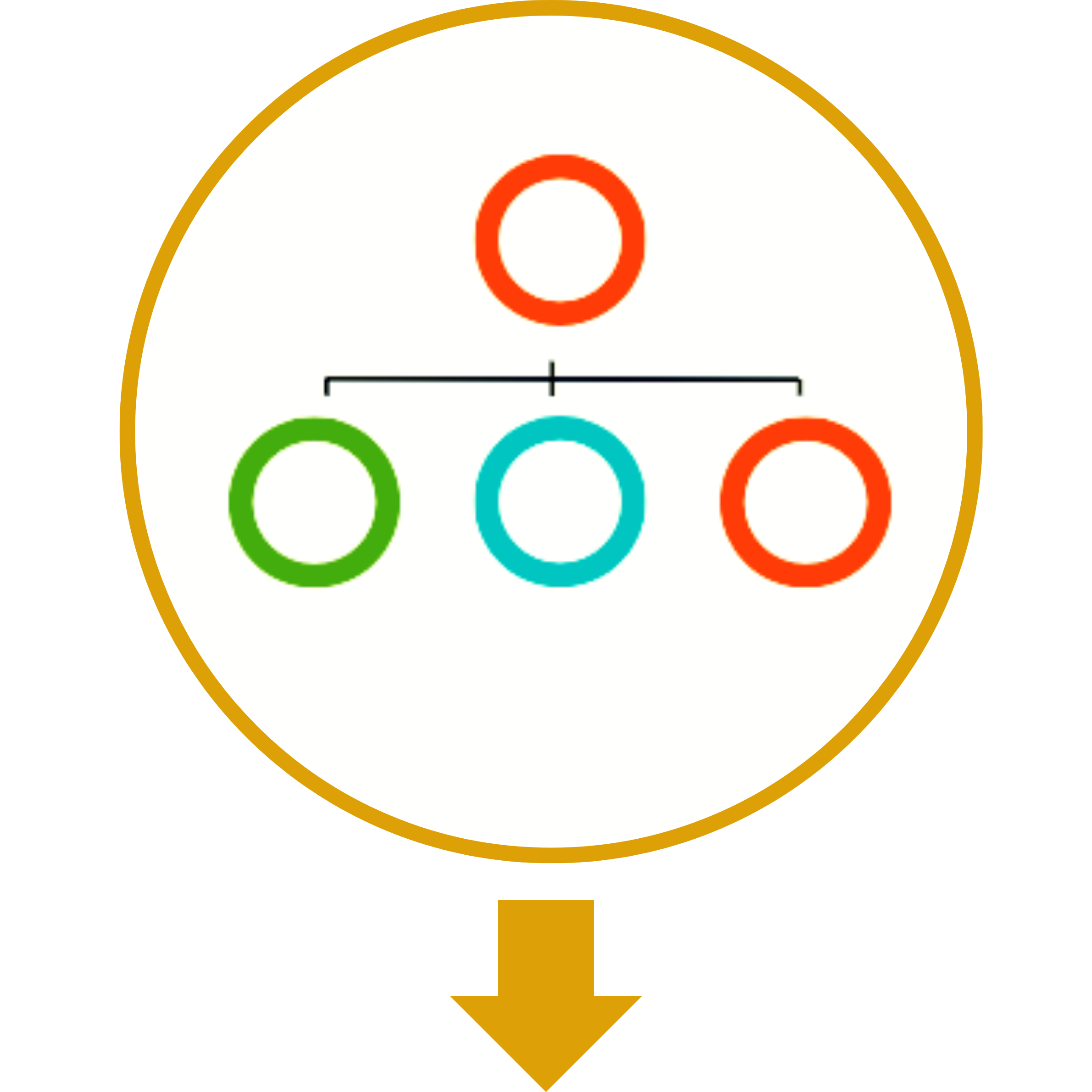
The operating system set by the leader defines the culture of the team.
Cultures nest within each other like Russian nesting dolls
That’s why two teams can have wildly different cultures in the same organization
And why the culture of the entire organization changes with a new CEO

Workplace Culture Has 3 Layers:
Organization (OS):The CEO’s decision operating system sets the default rules that create a sense of identity, keep teams aligned, and enable cross-functional communication. (Apple/Android)
Team (Apps):Each team adds a functional decision layer - workflows, thresholds, and norms for “how we decide here”. (Calculator/Email)
Individual (Interface): Each person brings individual decision assumptions — what they notice, trust, and optimize for. (Chrome/Safari)
When these layers point in the same direction, culture scales naturally as a well-functioning system. When they don’t, teams burn energy navigating friction instead of doing their job.
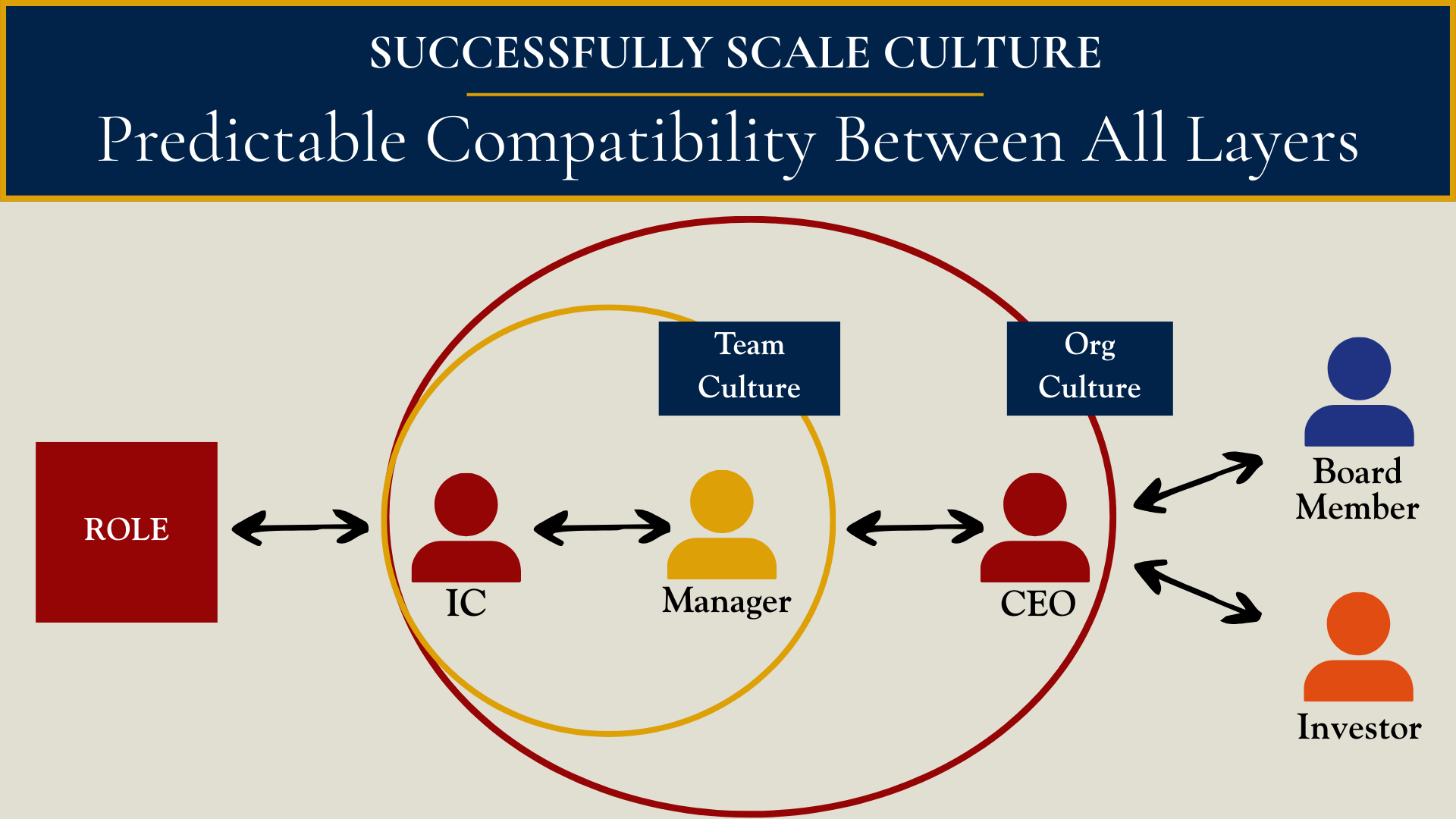
Predictable Compatibility Between All Layers
Compatibility isn’t a feeling. It’s fit between decision assumptions and the system they’re operating inside. Because decision assumptions are predictable, Relationality lets you predict compatibility at three levels:
1) Person ↔ Role
Does this person’s decision style match the decision demands of the role? Speed vs certainty. Autonomy vs coordination. Risk tolerance. Conflict load.
2) Person ↔ Team(s)
Does their assumptions align with how this team actually runs? What gets prioritized. How decisions are negotiated. What “good” looks like in practice.
3) Person ↔ Organization
Will they thrive inside the company’s decision operating system? What gets rewarded, how truth spreads, how authority works, and what the culture expects under pressure.
When these layers align, performance compounds. When they don’t, the same friction repeats—no matter how talented the person is.
Onboarding: a repeatable process for installing organizational OS
The fastest way to scale culture is to teach it on purpose. Onboarding isn’t paperwork. It’s an orientation to the decision-making norms of the company’s operating system (OS).
Most new hires don’t fail because they can’t do the work. They fail because they can’t read the room—what counts as a good decision here, how disagreement works, and what “winning” looks like under pressure.
Onboarding is your one chance to hand them the playbook, so they spend their first 90 days building momentum instead of decoding invisible expectations.
This is how you scale culture without losing what made it work. You don’t just hire for compatibility—you onboard for it, so the operating system is shared, decisions move, and alignment compounds.
Diagnose Before Scaling:
If you want to scale culture, the first step is making the operating system visible.
When to Diagnose:
scaling headcount fast
founder/CEO bottleneck
reorgs or new leadership
M&A integration
repeat friction across teams
Once you can see the decision system running your culture, you can scale it intentionally—without guessing, and without forcing everyone into sameness.
Make the operating system visible—then scale it with compatibility.
Getting Ready to Scale?
Install the decision infrastructure you need to ensure you can grow without slowing down.
Culture Mapping

Map Your Culture:
A Culture Map reduces decision friction.
It shows what to reinforce, what to stop rewarding, and where incompatibility will become expensive if left unnamed. For most organizations, preventing even one mis-hire or one delayed decision cycle can pay for the work.